The Bloom Effect
The Benefits of Receiving and Giving Flowers
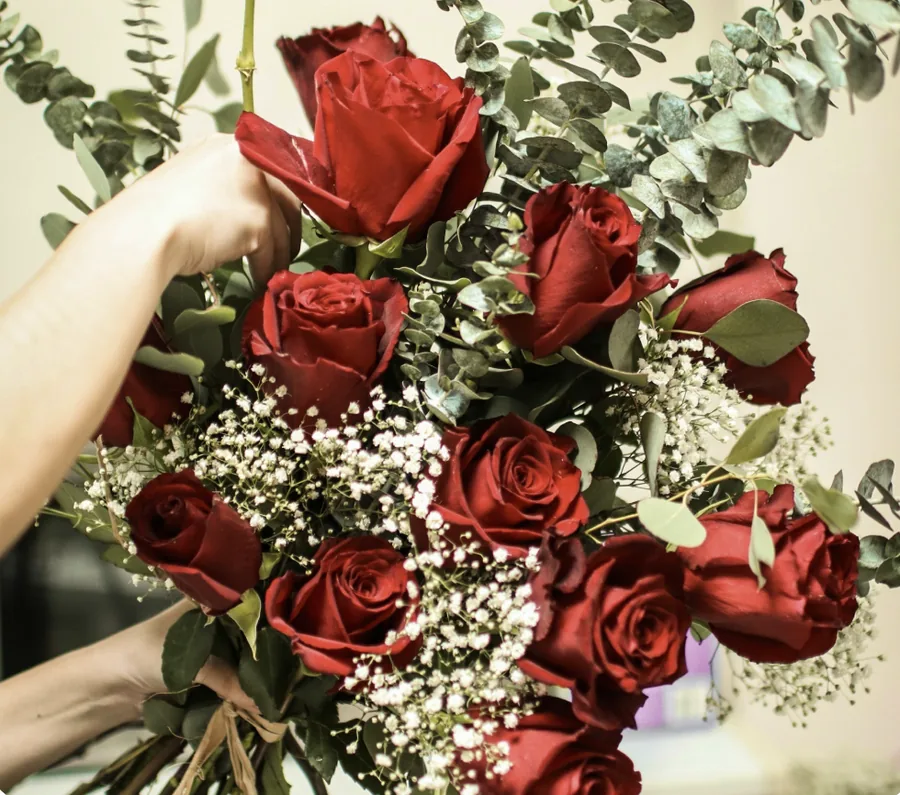
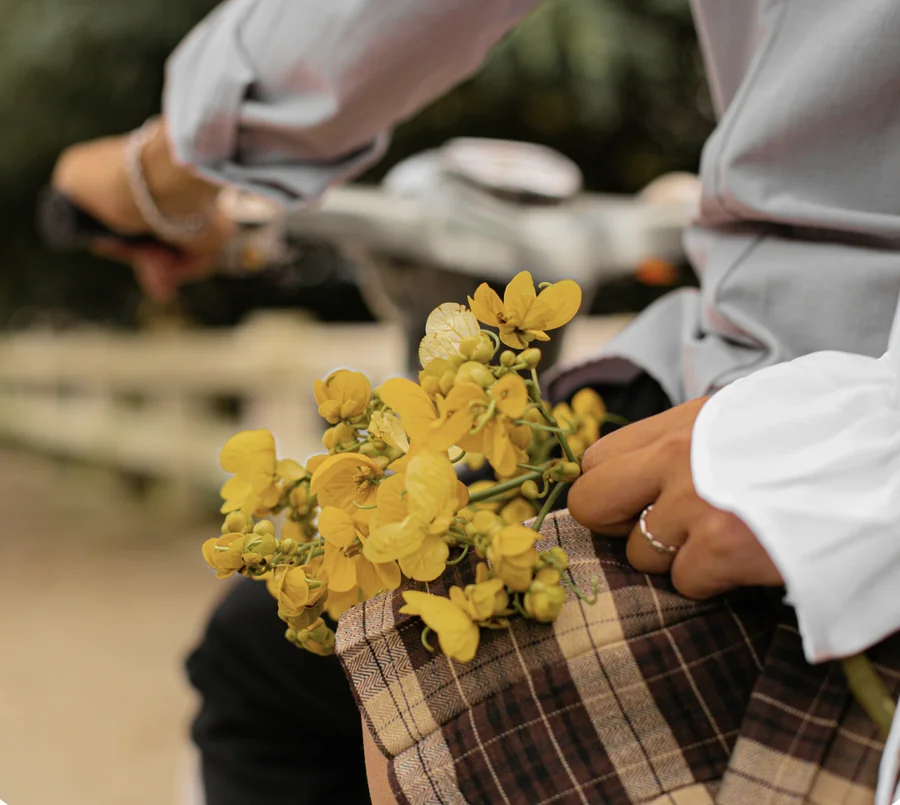
Whether you're giving or receiving a fresh bouquet, there's no denying the uplifting energy flowers bring. Their vibrant colors and delicate fragrance can instantly brighten a space and shift a mood. Research even shows that people feel more emotionally satisfied when receiving flowers compared to other gifts. This emotional impact may help explain why humans have cultivated and cherished flowers for centuries. Beyond their beauty, flowers fulfill sensory and emotional needs, holding deep cultural meaning and universally symbolizing care, gratitude, and connection (Huss, 2017).
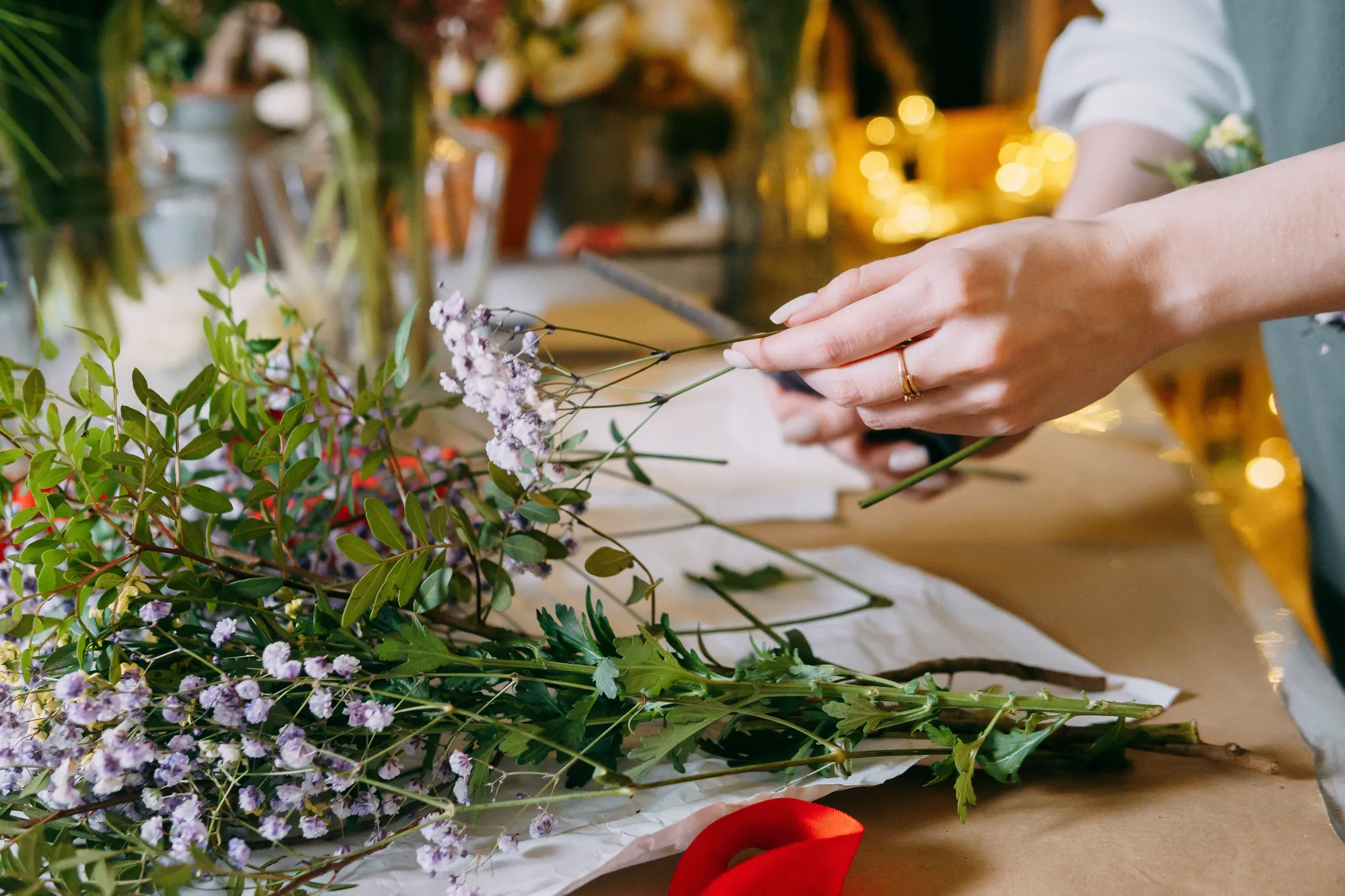
A study led by Dr. Jeannette Haviland-Jones, a psychology professor at Rutgers University, explored the emotional impact of receiving flowers. Researchers measured the moods of 147 participants before and after they were gifted flowers—and the results were striking. Even 10 days after receiving the bouquet, participants reported reduced stress, less irritability, and an overall uplift in mood (Haviland-Jones, 2005). Compared to those who received candles or fruit baskets, women given flowers showed more genuine smiles and reported a greater sense of joy and life satisfaction.
Receiving flowers can also help strengthen emotional bonds between the giver and recipient. For couples, it deepens intimacy, shows genuine thoughtfulness, and becomes a simple yet powerful act of care. Flowers evoke feelings of appreciation and warmth, making people feel seen, valued, and loved. Giving them creates a shared emotional moment—one that can say what words often can't. Whether it's a romantic partner, a friend, or a family member, surprising someone with flowers is a heartfelt way to express affection and brighten their day (Kackos, 2021).
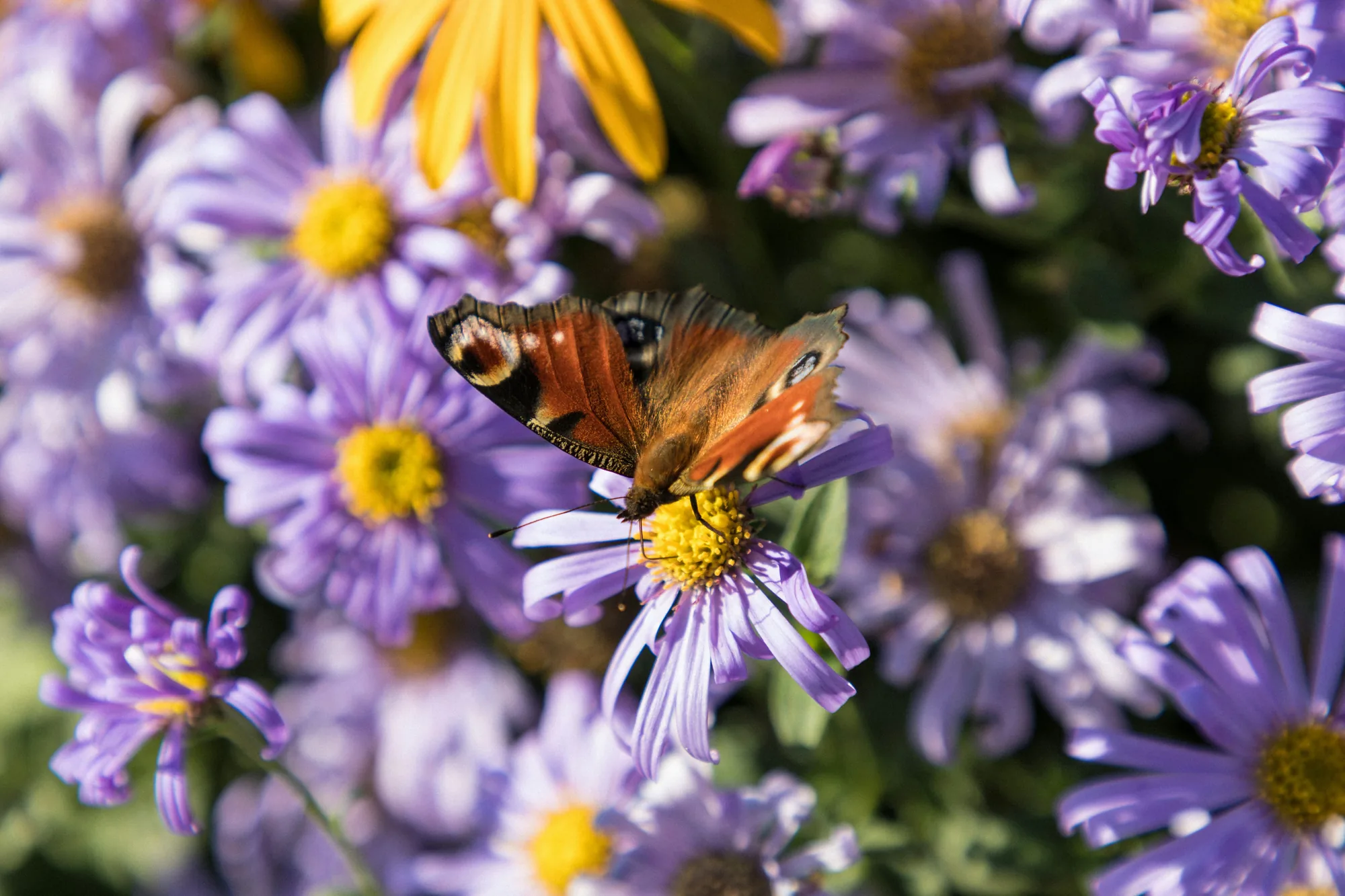
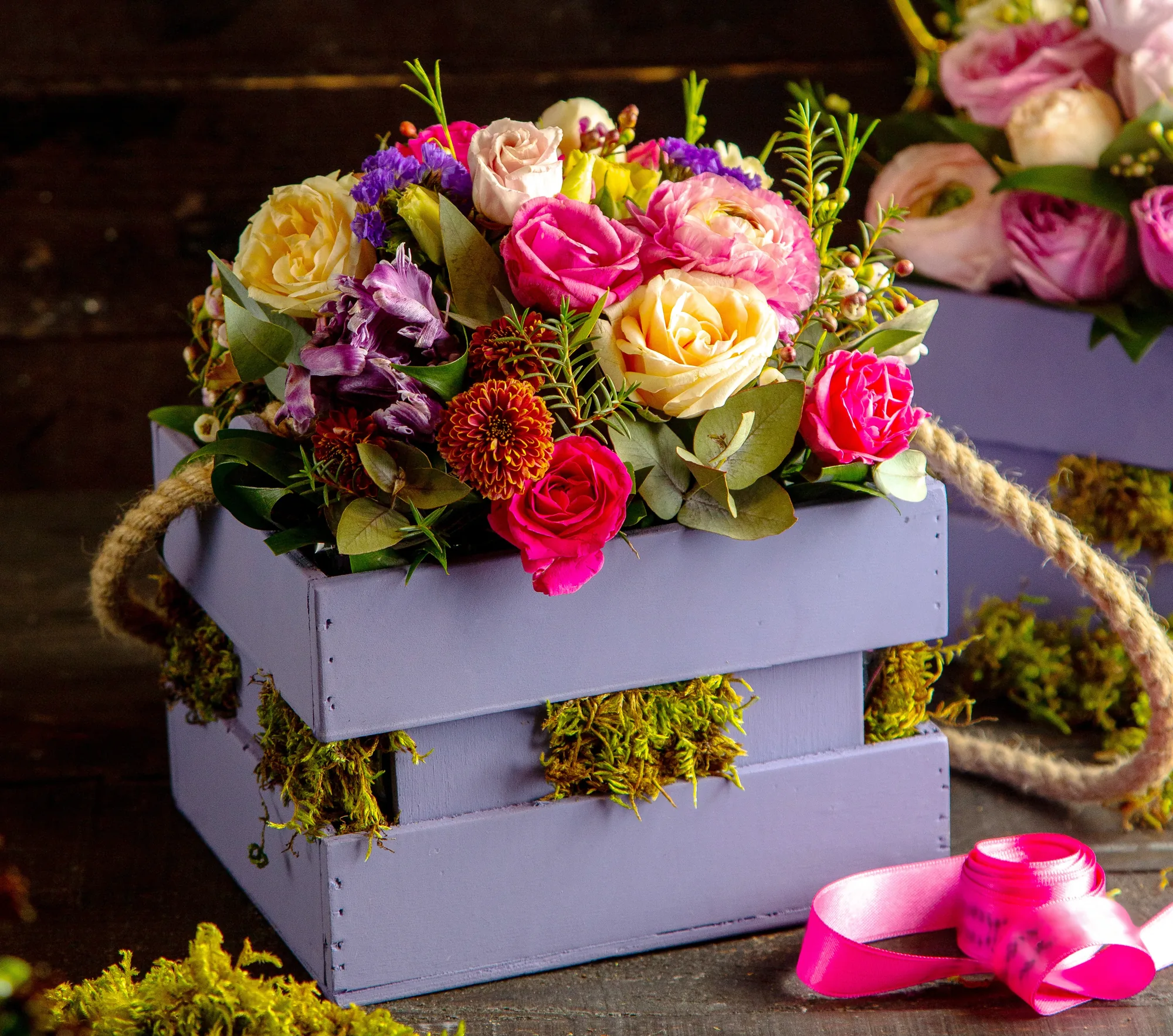
Flowers are a beautiful addition to any celebration—whether it's Valentine's Day, an anniversary, or a birthday. They make special moments even more memorable, often expressing emotions that words alone can't capture. Beyond the big occasions, surprising someone with flowers "just because" is a heartfelt way to show love and appreciation. In fact, 96% of women say they'd love to receive flowers unexpectedly, and 61% of men agree they'd enjoy the gesture too (Sisley, 2021).
In the study "Physiological and Psychological Response to Floral Scent" by Hyunju Jo, researchers found that the fragrance of Japanese Plum Blossoms activated the sympathetic nervous system and areas of the brain related to movement, speech, and memory. The scent evoked feelings of excitement and energy while easing symptoms of depression, suggesting floral aromas can boost mood, support mental clarity, and promote emotional well-being (Jo et al., 2013).
Whether it's a bouquet from a loved one, doorstep delivery, or a flower picked during a walk, having fresh-cut flowers is a beautiful way to brighten your space and your day. Giving flowers is about more than just appearance—it's a thoughtful expression of emotion. The next time you're searching for a meaningful gift or a way to show appreciation, flowers might be exactly what you need.

Written By:
Donavan Berry
May 26, 2025
💡 Did You Know?
The scent of flowers doesn't just smell good—it can actually boost memory. Research shows that pleasant floral fragrances like lavender or rose can enhance recall and concentration, making them the prettiest productivity hack on your desk.
REFERENCES
- Flora2000. (2017, April 11). What do women prefer, flowers or gifts?
https://blog.flora2000.com/2017/02/23/why-do-women-appreciate-flowers-over-other-gifts/ - Haviland-Jones, J. (2005). An environmental approach to positive emotion: Flowers. An Environmental Approach to Positive Emotion: Flowers.
https://safnow.org/aboutflowers/wp-content/uploads/sites/7/2016/10/ep0310432.pdf - Huss E, Yosef K, Zaccai M. The Meaning of Flowers: A Cultural and Perceptual Exploration of Ornamental Flowers. Open Psy J, 2017; 10:
https://openpsychologyjournal.com/VOLUME/10/PAGE/140/ - Jo, H., Rodiek, S., Fujii, E., Miyazaki, Y., Park, B., & Ann, S. (2013). Physiological and Psychological Response to Floral Scent.
https://journals.ashs.org/hortsci/view/journals/hortsci/48/1/article-p82.xml - Kackos, B. (2019, January 12). Science proves flowers make people happier. Record.
https://eu.recordonline.com/story/lifestyle/home-garden/2019/01/12/science-proves-flowers-make-people/6314655007/ - Society of American Florists. (n.d.). Emotional impact of Flowers Study. About Flowers
https://safnow.org/aboutflowers/quick-links/health-benefits-research/emotional-impact-of-flowers-study/