Cut Flower Care Tips
A Love Letter in Petals
You've just brought home a gorgeous bouquet—now what? To truly soak in the vibrant colors, delicate petals, and enchanting fragrance, you've got to give them a little love. With the right care, your flowers can last a dreamy 7–10 days, maybe even longer. A lot of people think cut flowers don't need attention, but that's a big myth. Unlike potted plants, they thrive on a simple routine—fresh water, clean stems, and a cozy spot away from harsh sunlight. Treat them right, and they'll keep glowing just for you.
First things first—grab a clean vase and fill it with fresh water. It might sound obvious, but it sets the stage for your flowers to thrive. Once cut from their roots, flowers lose their natural defense system, making them extra sensitive to bacteria and minerals like sodium. Keeping their water clean helps prevent rot, bacteria buildup, and clogged stems so they can stay stunning longer.
The flowers will absorb the water over time and it is important to keep the water levels topped to support your beautiful flowers. Additionally, the water should be changed every 2–3 days to limit the bacteria. Still, water provides conditions for bacteria and other microorganisms to grow which can clog the stems and hinder water absorption. Depending on the type of flower and size of the bouquet, they may be more 'thirsty' and may need more monitoring and water. Filling up the water around 75% of the way up allows proper hydration while maintaining ideal oxygen flow. Cut flowers, like all living organisms, rely on oxygen for cellular respiration and vital processes. Without adequate oxygen, they may not survive as long.
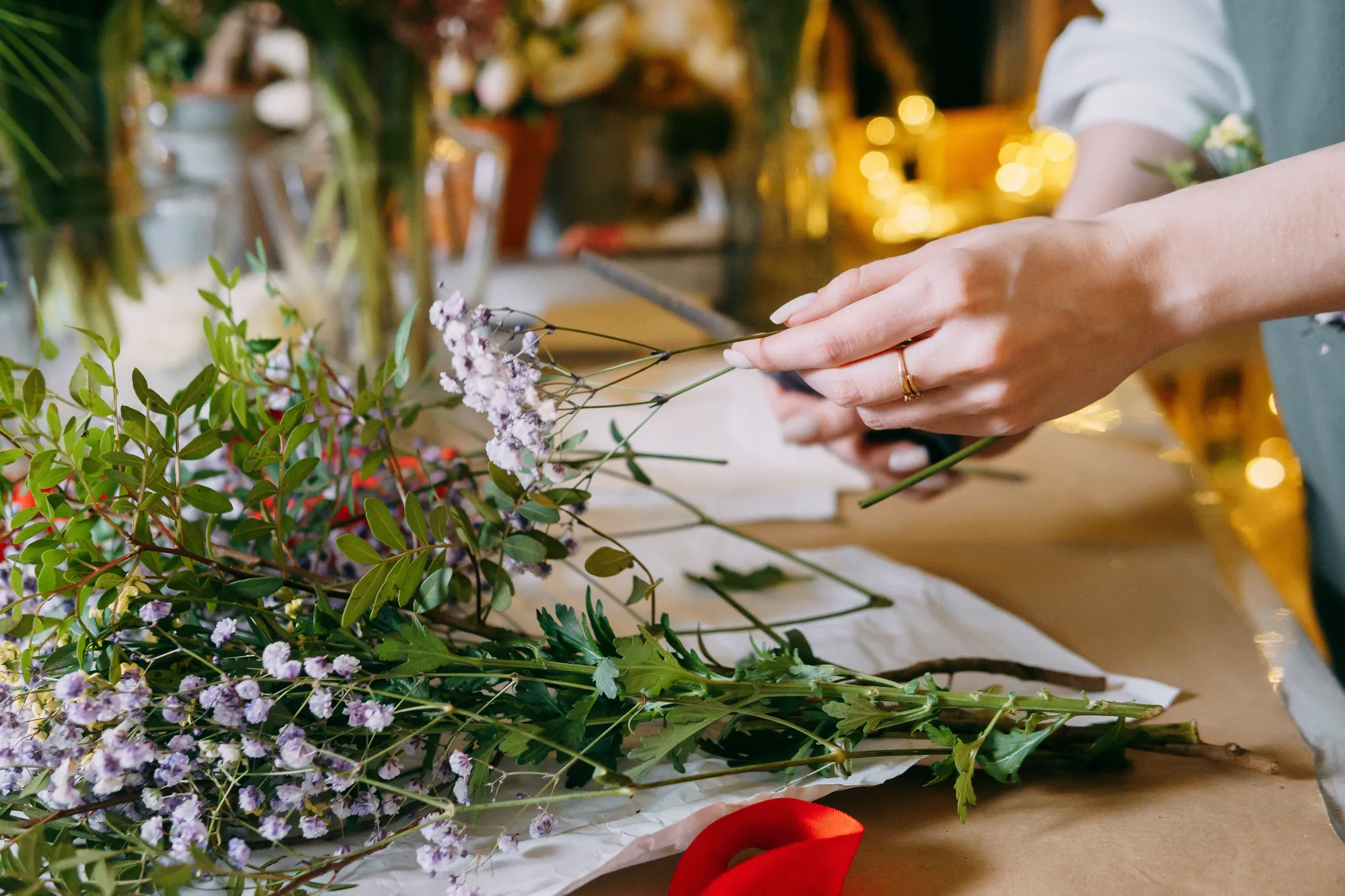
A common theme in taking care of cut flowers is allowing them to maximize hydration to prevent drying out and deteriorating. Cutting the stems, like replacing the water should happen every 2–3 days and at the same time. The exposed area that absorbs water eventually gets blocked by air bubbles and becomes prone to bacterial growth and wilting. By cutting the stems, new fresh tissue is ready to provide the flower with the water it needs. When cutting the stem, a clean sharp cut at 45° optimizes the surface area for nutrient uptake. Accidental cuts or nicks in the stem leave it exposed, like an open wound for us.
The addition of 'flower food' can help provide nutrients flowers need to sustain hydration and visual appeal. Being separated from its root, which takes nutrients like nitrates and iron found in soil, cut flowers no longer receive them. Flower foods are bundles of nutrients that can be added to flower water, they are flower-specific and require specific ratios of water to flower food. Proper research and attention should be given. On the contrary, excessive amounts of flower food, 150% of recommended dosage or more can cause burned leaves and stem discoloration.
The final thing to keep in mind when caring for your flowers is where you place them. Storing them in direct sunlight or excessive heat can speed up the breakdown of plant cells, leading to dehydration, faster wilting, and a shorter lifespan. It's also best to keep them away from cigarette smoke and fresh fruits—both of which release ethylene gas, a natural plant hormone that accelerates aging. Exposure to ethylene can cause petals to fall, leaves to yellow, and flowers to wilt prematurely.
To keep your blooms looking their best, consistently monitor their water levels, trim the stems regularly, and store them somewhere cool and stable. With a little attention, cut flowers can stay fresh and vibrant for several days—bringing brightness, beauty, and a touch of joy to your space for as long as possible.

Written By:
Donavan Berry
May 24, 2025
💡 Did You Know?
Some flowers, like tulips, continue to grow even after being cut! They can stretch up to an inch or more in the vase, often bending toward light like they're still reaching for the sun. So if your arrangement looks a little wild after a few days—it's just the tulips doing their thing!
REFERENCES
- Chrysal. (n.d.). What are the effects of under- and overdosing flower food?
https://www.chrysal.com/tips/flower-care/what-are-the-effects-of-under-and-overdosing-flower-food# - Interflora. (n.d.). How to care for your flowers.
https://www.interflora.co.uk/page/flower-expert-care-tips - Society. (n.d.). Flower & Plant Care Tips. About Flowers
https://safnow.org/aboutflowers/flower-plant-information-and-photos/flower-plant-care-tips/ - Sproule, R. (2022, April 7). How to cut your flower stems correctly - salisbury greenhouse - blog. Salisbury Greenhouse.
https://salisburygreenhouse.com/how-to-cut-your-flower-stems-correctly/